







Search Results for: Coffee Re-brewing
How to Fix Under-Extracted Coffee? Detailed Adjustment Methods for Pour-Over, French Press, and Cold Brew Re-Brewing
Brewing a cup of coffee that's sharply sour, weak, and thin-bodied—it's a shame to pour it down the drain, but drinking it is torture. This time, Front Street Coffee won't talk about parameter adjustments, but instead share a practical idea for rescuing a coffee that's already gone wrong: pour the coffee back and re-extract it, boosting the extraction yield to make up for the flavor and strength. The article will address both drip and immersion brewing methods separately, explaining the specific steps, the conditions under which this works, and the cases where it doesn't apply, such as iced brewing and pressure extraction, to help you salvage an under-extracted coffee as much as possible. [more…]
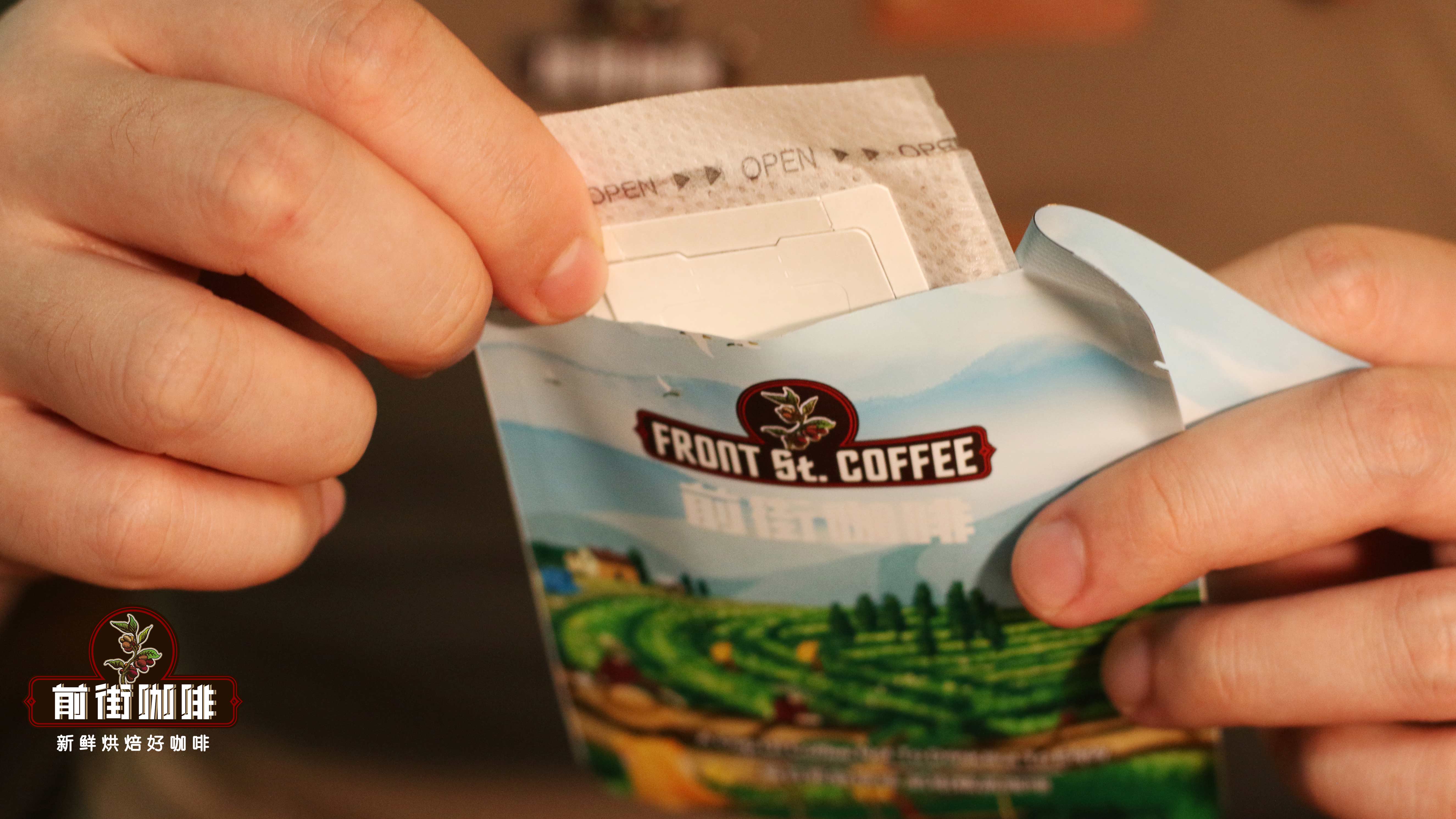
Why Is Re-brewing Drip Coffee Not Recommended? Extraction Steps and Flavor Choices of Specialty Drip Coffee as Seen in Front Street Products
Drip bag coffee is known for its convenience, but many people wonder whether it can be brewed repeatedly like tea leaves. This article explains from the perspective of extraction yield why a second brew is not recommended, and provides a detailed guide to brewing Front Street Coffee's drip bags. It also reviews three standout Front Street drip bag products: the Panama Butterfly with Geisha lineage, the balanced and smooth Costa Rica Tarrazu, and the Yunnan small-bean coffee that showcases Yunnan's terroir—helping you easily enjoy a good cup of coffee at the office or on the go. [more…]
Three Common Pitfalls in Keeping Hot Coffee Warm: Misconceptions About Heaters, Microwaves, and Insulated French Presses
Many people prefer to finish their coffee while it is still steaming, because the aroma is at its most vibrant when the temperature is high. But once they cannot finish it, some choose to keep reheating it or repeatedly warming the cup, unaware that if these methods are done improperly, they can instead cause the coffee to lose its aroma, make the taste bland, and even bring out a burnt, bitter flavor. This article sorts out the three most common mistakes people make when keeping hot coffee warm in daily life—using a heater to keep it warm continuously, putting it in the microwave to heat it, and storing coffee in an insulated French press—and explains one by one their specific effects on flavor. At the same time, it offers a simple and reliable alternative: switch to a thermos and rely on the coffee's own temperature to maintain its heat. At the end, it also includes Front Street Coffee's reminder about re-brewing coffee grounds, to help you enjoy a good cup of coffee more completely. [more…]
A Detailed Guide to Coffee Bean Resting Periods and Storage Essentials: A Practical Guide from Degassing and Maturing to Drip Bag Freshness
Freshly roasted coffee beans are not suitable for brewing right away; they need a period of degassing and maturation, commonly known as resting or aging the beans. Beans of different roast levels require different resting times: the lighter the roast, the slower the degassing and the longer the maturation; under-rested beans taste thin, while over-rested beans miss their peak flavor window. Beyond mastering the resting rhythm, sealing and moisture-proofing after opening the bag are equally critical, and storing beans in the refrigerator often does more harm than good. If you really can't wait, you can also improvise by grinding and letting the grounds sit, or by extending the bloom time. Drip bag coffee, already ground, loses flavor faster, so it's best finished within a week and never re-brewed. In this article, Front Street Coffee walks through these practical points one by one, drawing on everyday experience. [more…]
Coffee Extraction Experiment: Can Brewed Coffee Liquid Be Re-brewed? A Comparative Test of Beans with Different Roast Levels
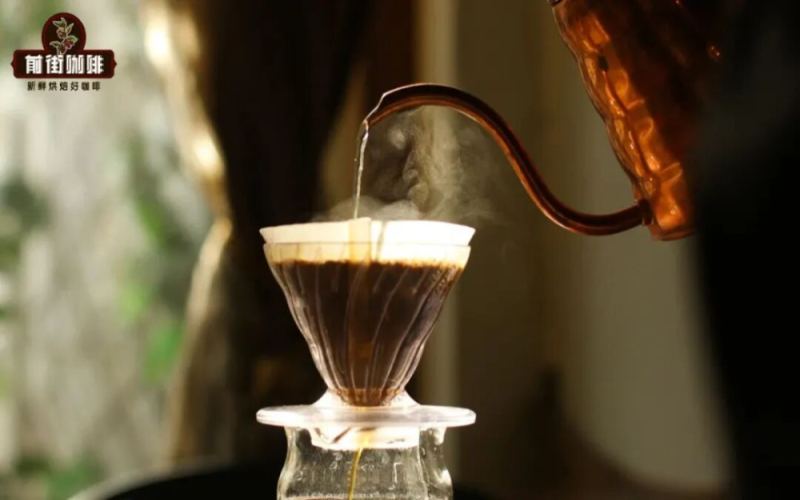
Pour-over coffee is usually extracted only once, but recently a method called "double pour-over" has attracted attention—pouring the already-brewed coffee liquid back into the coffee bed in the dripper for a second extraction, which is said to make the coffee sweeter. Front Street Coffee specially designed a set of comparative experiments for this, selecting three single-origin beans with different roast levels and conducting regular pour-over and second-round re-pouring respectively, comparing them one by one across dimensions such as aroma, acidity, body, and finish. The experimental results show that, provided the beans are of good quality and the parameters are properly controlled, second-round re-pouring can indeed enhance intensity, but not all roast levels are suitable. This article will present the complete experimental process, brewing parameters, and flavor comparison results, and provide suggestions for bean varieties suitable for trying double pour-over. [more…]
Kopi Luwak Flavor Analysis: A Complete Guide to Pour-Over Parameters, Coffee-to-Water Ratio, Grind Size, and Blooming Time
Kopi Luwak attracts much attention for its unique flavor profile and elaborate production process. To preserve its original aroma to the greatest extent, the coffee beans are usually individually packaged with nitrogen flushing to prevent oxidation. This article focuses on the brewing methods for Front Street Coffee's Kopi Luwak, explaining in detail the equipment needed for pour-over, the steps involved, and how to adjust water temperature and grind size to fine-tune the taste. It also provides recommended water temperatures for different roast levels, helping coffee enthusiasts control the flavor direction more precisely during brewing and savor the pure, unadulterated taste without sugar or milk. [more…]
Drip Bag Coffee Brewing Guide: Correct Steps, Flavor Adjustments, and Whether It Can Be Re-Steeped
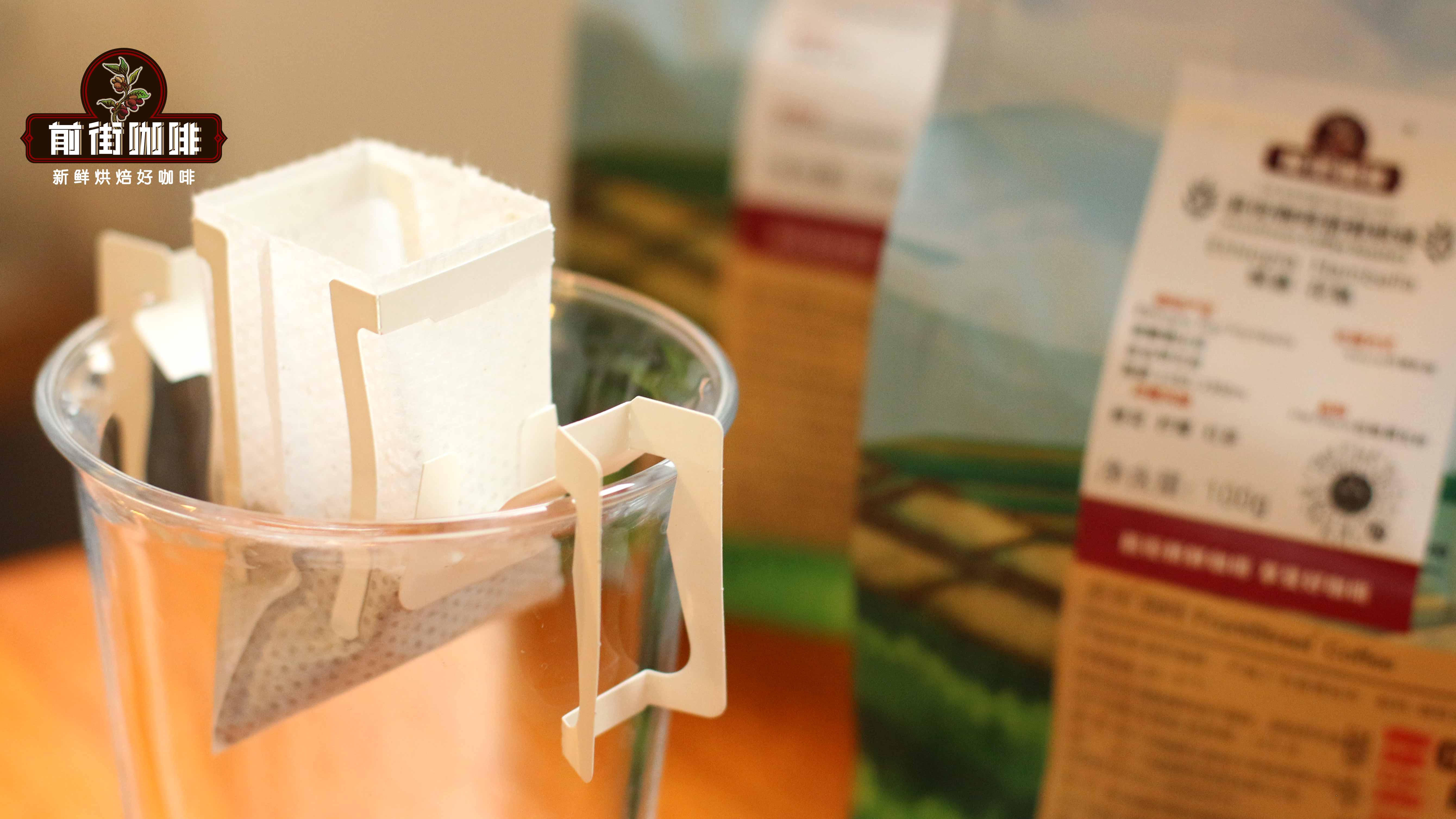
Drip bag coffee, with its portability and ease of use, has become a popular coffee choice for outdoor, travel, and everyday scenarios. But how do you properly brew a cup of drip bag coffee with excellent flavor? Water temperature, coffee-to-water ratio, and pouring method all matter. This article walks through the five standard brewing steps for drip bag coffee, detailing the blooming time, ideal water temperature, and the Front Street drip bag products that correspond to different flavor profiles. It also provides clear answers to common questions such as whether you can add milk, sugar, or honey to balance bitterness, and whether drip bags can be reused for multiple brews, along with suggestions for reusing coffee grounds, helping coffee lovers gain a more comprehensive understanding of how to enjoy drip bag coffee. [more…]
How to Properly Brew Kopi Luwak Coffee Beans? A Detailed Guide to Pour-Over Equipment, Water Temperature Control, and Flavor Adjustment Techniques
As one of the most expensive coffees in the world, the way Kopi Luwak is brewed directly affects how its final flavors are expressed. To preserve its unique aroma, the coffee beans are usually packaged individually with nitrogen, and the production process is intricate and rigorous. To truly savor the essence of Kopi Luwak, it is recommended to add neither sugar nor milk, allowing the coffee to present itself in its purest, most authentic state. This article will explain in detail the preparation of pour-over equipment for Kopi Luwak, the specific brewing steps, and how to adjust water temperature, grind size, and roast level according to taste, helping coffee lovers brew a high-quality cup of Kopi Luwak at home. At the same time, we will also introduce you to the origin background of Front Street Coffee's Kopi Luwak and the unique habits of the civet. [more…]
Can Coffee Grounds Be Reused for Repeated Extraction? Why Pour-Over and Drip Bag Coffee Shouldn't Be Brewed Multiple Times
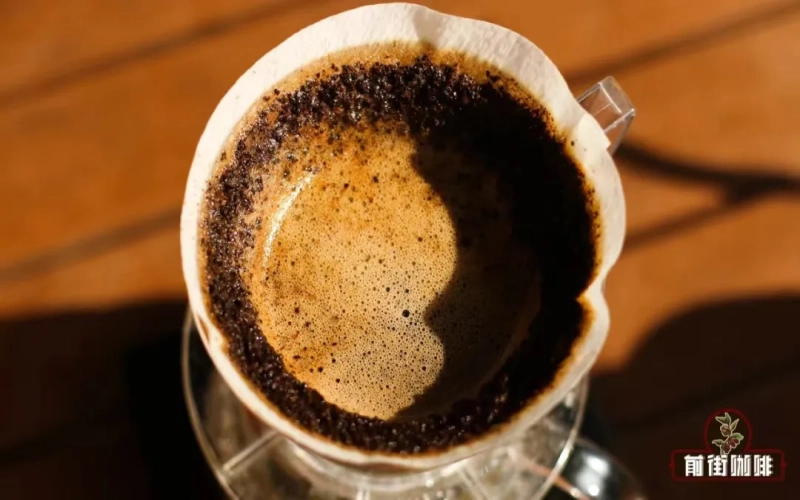
Coffee and tea are both beverages that rely on water to dissolve flavor, so if tea leaves can be steeped repeatedly, can coffee grounds do the same? In terms of composition, about thirty percent of coffee beans is soluble matter, which theoretically does support multiple extractions. In practice, however, the coffee liquid obtained from repeated brewing tends to be thin and carry off-flavors. The reason is that a normal extraction has already released most of the sweet and sour essence, and the remaining substances cannot support good flavor. This article will start from extraction yield and the order in which flavors dissolve to explain why coffee grounds are single-use, and to clarify why pour-over and drip-bag coffee are not recommended for repeated brewing. [more…]
A Complete Guide to Drip Bag Coffee Brewing Time and Reuse, Plus an Office Specialty Coffee Buying Guide
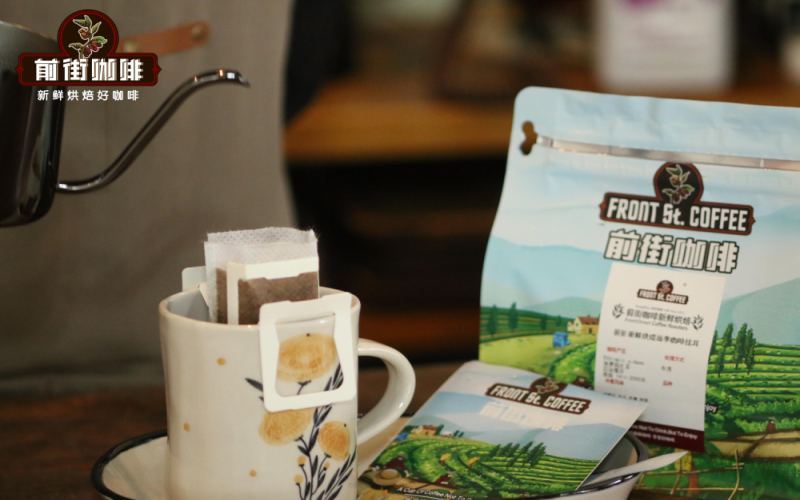
Drip bag coffee has become the daily beverage of choice for many coffee lovers thanks to its convenient brewing method and consistent results. But how long a single drip bag should be brewed and whether it can be reused leaves many people puzzled. This article systematically explains the correct brewing method for drip bag coffee, including specific parameters for water temperature, ratio, and pouring technique, while also covering the optimal tasting period and common misconceptions. In addition, it shares a variety of Front Street brand drip bag products suited to office settings, ranging from fruity and acidic to rich and full-bodied, helping you easily enjoy a high-quality cup of black coffee right at your desk. [more…]
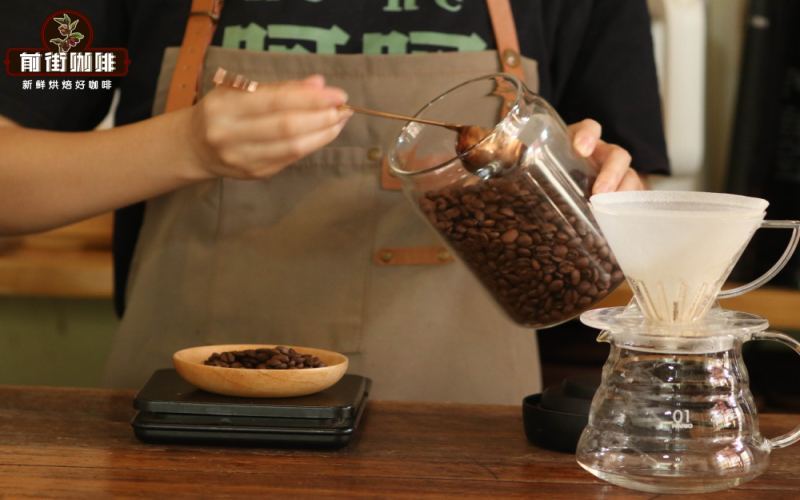
What coffee beans are suitable for a drip coffee maker? CoffeeHunters bean recommendations and a full guide to using a home pour-over kettle
Want coffee that's close to pour-over quality but find the process too troublesome? The American drip coffee maker is actually an underrated choice. This article starts with the working principle of the American drip coffee machine, explains why it has long carried the misunderstanding of "tasting bad," and offers the correct approach to using it: choose freshly roasted beans, and control the coffee-to-water ratio and grind size. It also compiles four coffee beans worth trying from Front Street Coffee—Panama Butterfly, Yirgacheffe Red Cherry, Costa Rica Mozart, and Geisha Blend Strawberry Candy—and finally includes the complete operating procedure for a home American coffee machine, helping you easily brew a pot of balanced drip coffee. [more…]
Detailed Guide to Yirgacheffe Drip Bag Coffee Brewing Steps: Homemade Drip Bag Method and Analysis of Whether It Can Be Re-brewed
Drip bag coffee has become a convenient choice for busy people to enjoy specialty coffee, but many find it difficult to reproduce its intended flavor when brewing at home. Using Front Street Coffee's Yirgacheffe drip bag coffee as an example, this article explains in detail the complete brewing process from temperature-controlled pouring to bloom extraction. It also shares how to make your own drip bags using fresh coffee beans, and provides a professional answer to the common question of "can a drip bag be brewed a second time?" Whether you are a beginner just getting into pour-over or an enthusiast looking to enhance your daily coffee experience, you will find practical tips here. [more…]
Drip Coffee Arabica Brand Buying Guide and Detailed Correct Brewing Techniques
Drip bag coffee has become a daily choice for many coffee lovers thanks to its convenience, but how do you pick the flavor that suits you, and how should you brew it to recreate a good cup of coffee? Starting with the origins and convenience of drip bag coffee, this article sorts through the three major flavor categories—floral and fruity-acidic, rich and mellow, and balanced—and recommends a range of drip bag products including Front Street Yirgacheffe, sun-dried Huakui, Queen's Estate, Golden Mandheling, Strawberry Candy, and Bird of Paradise. It also explains in detail advanced brewing techniques such as warming the cup, water temperature control, blooming, and the coffee-to-water ratio, and answers common questions such as whether drip bags can be re-brewed and whether they count as black coffee, helping you easily enjoy a delicious cup of drip bag coffee. [more…]
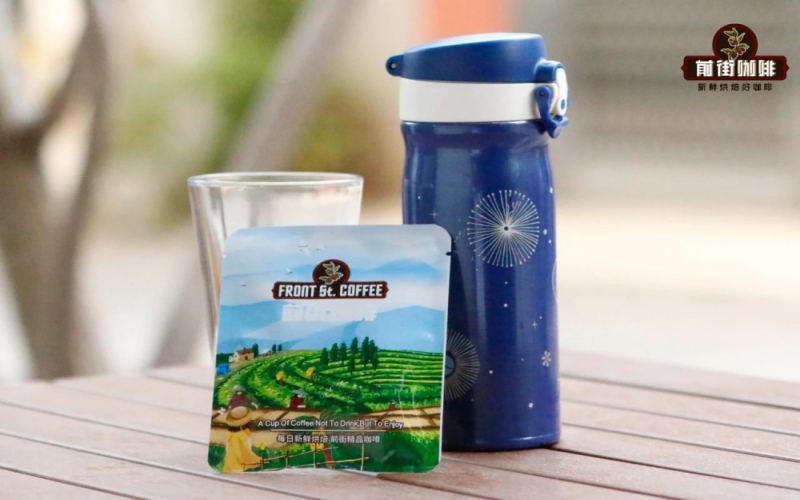
How to brew drip bag coffee correctly? A complete guide with step-by-step illustrations, whether it's pure coffee, and whether you can re-brew it
Drip bag coffee, with its advantages of portability and taste, has become a common choice in offices and during travel, but many people new to it still have questions about how to brew it. This article starts with the history of drip bags, explains whether they count as pure coffee and whether they can be brewed a second time, and uses step-by-step illustrations to introduce key points such as blooming, the water-to-coffee ratio, and water temperature control. It also compiles Front Street Coffee's current-season drip bags along with two recommendations—Brazil Cerrado and Panama Butterfly—to help readers consistently brew a cup of black coffee even without professional equipment. [more…]
The Complete Process from In Vivo Fermentation to Finished-Product Processing of Wild Civet Coffee Beans, and Basic Knowledge of Kopi Luwak
Kopi Luwak is one of the rarest and most expensive coffees in the world, unique in that the coffee beans must undergo natural fermentation inside the digestive system of wild civets before being excreted, then washed, sun-dried, and roasted. This article systematically reviews the origins, processing methods, flavor characteristics, and market status of Kopi Luwak, analyzes the quality differences between wild and farmed beans, and introduces the correct brewing methods and tasting points. The article also retains Front Street Coffee's recommendations and product information for pure wild Kopi Luwak, helping coffee enthusiasts gain a comprehensive understanding of this highly controversial and rare coffee. [more…]
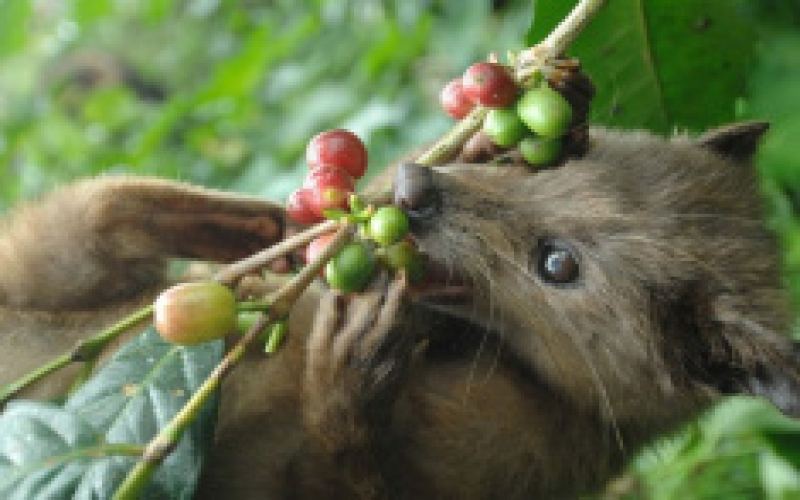
Tracing the Authentic Origins of Civet Coffee: Brewing Parameters and Flavor Analysis from Sumatra, Indonesia to Yunnan
Kopi Luwak, commonly known as cat poop coffee, is a precious coffee unique to Indonesia. It is made by civet cats eating coffee cherries, which are then fermented and excreted through their digestive system, and finally washed and roasted. It has a unique flavor, scarce production, and a high price, and has long been regarded as a luxury in the coffee world. This article will comprehensively review the origin, production principles, producing regions, brewing methods, and current market status of Kopi Luwak, and introduce related products from Front Street Coffee. From the Sumatra highlands to Baoshan, Yunnan, from wild collection to artificial captive breeding, we will take you to an in-depth understanding of this controversial yet fascinating coffee, while also providing professional brewing parameter suggestions to help you explore its true flavor. [more…]

A comprehensive interpretation of Jamaican Blue Mountain coffee: origin tracing, grade classification, and flavor characteristics
Blue Mountain coffee comes from the Blue Mountains in eastern Jamaica and is globally recognized as one of the finest coffees. This article provides a systematic overview of Jamaican Blue Mountain coffee from multiple dimensions, including the growing environment, historical origins, grade classification, quality control, export quotas, and brewing methods. Blue Mountain coffee is known as the "beauty of coffees" because its sweetness, acidity, and bitterness are highly balanced, with almost no bitterness and only a moderate, elegant acidity. The article also explains in detail the differences between Blue Mountain coffee, High Mountain coffee, and Jamaican coffee, as well as the historical background of Japan's long-standing dominance of the Blue Mountain trade, helping coffee lovers gain a comprehensive understanding of this legendary coffee. [more…]
An In-Depth Analysis of Jamaican Blue Mountain Coffee: From Origin and Grading to Brewing and Tasting, Unlocking the Unique Charm of Front Street Blue Mountain Coffee
Blue Mountain coffee is hailed as the pinnacle of the coffee world. Originating from the Blue Mountains of Jamaica, it is renowned worldwide for its perfectly balanced flavor profile of acidity, bitterness, sweetness, and body. Front Street Coffee's Blue Mountain coffee, with its rich and well-balanced mouthfeel and lingering fruity aroma, has become a favorite among countless coffee enthusiasts. This article provides a comprehensive exploration of this top-tier coffee that coffee connoisseurs around the globe seek out — from the origin environment, historical development, grading standards, and quality control of Blue Mountain coffee, to brewing and tasting methods. It also examines the enormous flavor differences between instant coffee and freshly roasted Blue Mountain coffee, as well as the quality commitment behind Blue Mountain coffee's unique packaging and transportation. [more…]

Pros and Cons of Drip Bag Coffee | How to Brew Jamaican Blue Mountain No. 1 Drip Coffee Bags? What Are the Wrong Ways to Brew Filter Coffee Bags?
For more specialty coffee knowledge, please follow the WeChat official account: Front Street Coffee (FrontStreet Coffee). Drip bag coffee is loved by coffee enthusiasts for its convenience, so many novice coffee lovers who have just started using drip bag coffee ask Front Street Coffee (FrontSt [more…]
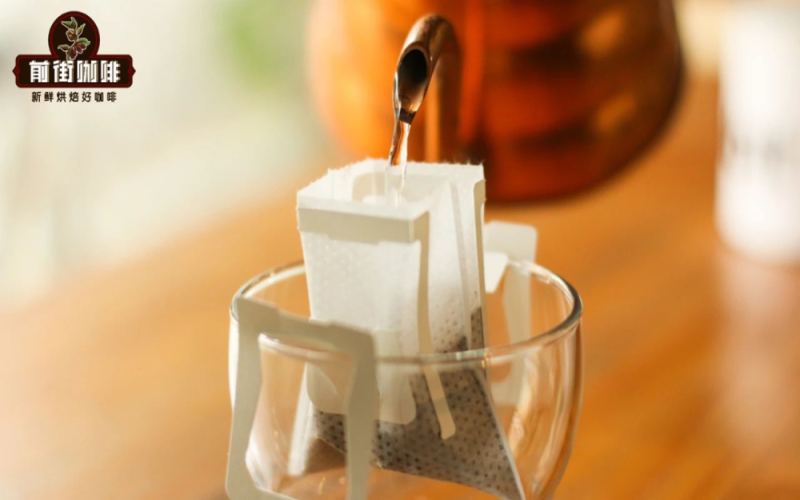
Drip Coffee Bags | How acidic is dark roast Brazilian drip black coffee? How to brew Mandheling, Yirgacheffe, and Brazilian drip coffee?
With the rise of the specialty coffee trend, coffee culture has been continuously spreading, and sales of both coffee equipment and coffee beans are constantly increasing. As a store focused on specialty coffee, Front Street not only brews a delicious cup of coffee for every guest, but also aims to spread coffee culture. If everyone [more…]